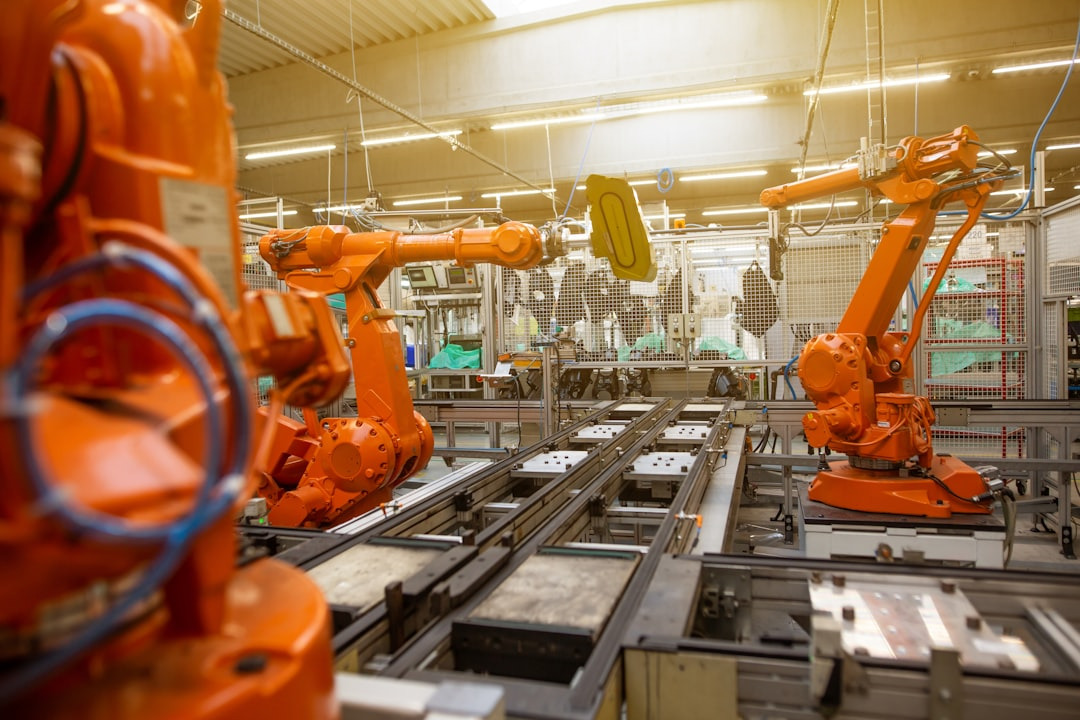
Finding a supplier in China is relatively easy.
Finding a supplier that can actually manufacture your product consistently, meet your specifications, respect your deadlines, and handle your order professionally is much harder.
A polished website, an impressive Alibaba profile, professional product photos, and a competitive quotation can create the appearance of a capable manufacturer. But none of these things prove what is happening inside the factory.
That is where a factory audit becomes valuable.
A factory audit gives buyers a structured, on-site assessment of a supplier before committing significant money or building a long-term relationship.
But what exactly happens during an audit? What should be checked? And when is paying for one actually justified?
Let’s break it down.
What Is a Factory Audit?
A factory audit is an on-site evaluation of a supplier’s manufacturing facility, capabilities, management systems, and operational processes.
The objective is not simply to confirm that an address exists.
A serious audit attempts to answer a much more important question:
Can this supplier reliably produce what you intend to buy, at the quality, quantity, and consistency your business requires?
This distinction matters.
A company can legally exist and still be a poor supplier.
It can have a factory and still lack the machinery, capacity, quality-control systems, technical expertise, or management discipline required for your order.
Supplier Verification vs. Factory Audit
These two services are often confused.
Supplier verification primarily establishes whether the company is legitimate and whether basic claims about its identity and operations can be confirmed.
A factory audit goes deeper.
For example, verification might confirm:
- Company identity and business information
- Physical address
- Contact information
- Whether the facility exists
- Basic operational information
A factory audit may additionally examine:
- Manufacturing capability
- Production equipment
- Production processes
- Quality-control procedures
- Workforce and organization
- Production capacity
- Raw-material management
- Warehousing
- Testing equipment
- Traceability systems
- Certifications and supporting documentation
For a small trial order, extensive auditing may be unnecessary.
For a large or strategically important order, relying solely on an online supplier profile can be an expensive gamble.
How a Factory Audit Works
1. Define What Needs to Be Audited
A good audit starts before anyone enters the factory.
The buyer needs to define the product, specifications, expected order quantity, quality requirements, certifications, target market, and any particular risks.
There is no point conducting a generic checklist audit if the buyer’s actual concern is whether the supplier can manufacture 20,000 technically demanding units every month.
The audit scope should reflect the commercial risk.
2. Verify the Supplier’s Identity
Once on site, one of the first objectives is confirming that the business being audited corresponds to the company the buyer believes they are dealing with.
Documents and information may be reviewed and compared with what the supplier previously provided.
This is particularly important because the company communicating with you may not always be the actual manufacturer.
There is nothing inherently wrong with working with a trading company. The problem begins when a business claims to manufacture products that it actually outsources.
As an importer, you need to know who is really producing your goods.
3. Inspect the Production Facility
This is one of the most important parts of the audit.
The auditor walks through the production areas and examines the actual manufacturing environment.
Questions include:
What machinery is installed?
Is it operational?
Does the equipment correspond to the products being offered?
How organized is production?
Are key processes performed internally or subcontracted?
A supplier claiming substantial manufacturing capability should have physical evidence supporting that claim.
Machines, production lines, workers, raw materials, work-in-progress inventory and finished products can reveal much more than a sales presentation.
4. Assess Production Capacity
Imagine ordering 50,000 units from a supplier capable of comfortably producing only 10,000 units per month.
Something has to give.
The supplier may miss your deadline, subcontract production without telling you, rush manufacturing, reduce quality-control procedures, or prioritize larger customers.
An audit therefore examines indicators such as:
- Number of production lines
- Machinery
- Workforce
- Current production activity
- Typical output
- Existing workload
- Production lead times
- Peak-season constraints
The objective isn’t merely asking:
“Can you produce 50,000 units?”
A salesperson can answer yes.
The better question is:
“Does what we can observe support the claimed capacity?”
5. Examine the Quality-Control System
Finding defects after your goods arrive in another country is already too late.
A serious factory should have processes designed to identify problems during production, not only after everything has been manufactured.
An audit can examine how the supplier handles:
Incoming materials → Production → In-process checks → Final inspection → Packaging → Shipment
Questions may include:
- Are incoming raw materials inspected?
- Are inspection standards documented?
- Who is responsible for quality control?
- Are defects recorded?
- How are defective units handled?
- Is testing equipment available?
- Is the equipment calibrated where necessary?
- Can batches be traced?
- Are final inspections documented?
The goal isn’t to find a factory where defects never happen.
Such a factory probably doesn’t exist.
The important question is whether the manufacturer has a system capable of detecting, controlling, documenting, and correcting defects.
6. Review Raw Materials and Warehousing
Warehouses tell you a surprising amount about a manufacturer.
An auditor may examine how the factory identifies, stores and controls:
- Raw materials
- Components
- Work in progress
- Finished goods
- Rejected products
- Packaging materials
Poor storage can create contamination, deterioration, mixing of materials, traceability problems or product damage.
For certain products, storage conditions can be particularly important.
7. Review Documentation and Certifications
If certifications are important for your product or destination market, simply receiving a PDF from the salesperson isn’t enough.
Relevant documentation should be reviewed carefully.
Depending on the product and audit scope, this might include:
- Business documentation
- Quality-management documents
- Product certificates
- Test reports
- Equipment records
- Production records
- Inspection records
- Internal procedures
One critical principle applies:
Never assume that a certificate sent by a supplier automatically applies to the exact product you are buying.
The company name, model, issuing body, validity period, standards covered and scope should all be checked where relevant.
8. Document Findings With Evidence
A useful factory audit shouldn’t end with:
“The factory looks good.”
That statement is almost worthless.
The buyer needs structured findings.
Depending on the audit scope, a report may contain photographs, observations, document checks, identified risks, production information, non-conformities and recommendations.
This gives the buyer evidence to use when deciding whether to:
Approve the supplier, request corrective actions, negotiate additional safeguards, conduct further verification, or walk away.
What a Factory Audit Does NOT Guarantee
This is where importers sometimes misunderstand audits.
Passing an audit does not guarantee that every future shipment will be perfect.
An audit evaluates the supplier and its systems at a particular point in time.
A quality inspection evaluates the goods being produced for a particular order.
You may therefore need both.
Think of it this way:
Factory audit: Can this factory reasonably be trusted to manufacture the product?
Product inspection: Did this particular production batch meet the agreed requirements?
One does not automatically replace the other.
When Should You Conduct a Factory Audit?
Auditing every supplier for every tiny order would be inefficient.
Your level of due diligence should correspond to your level of exposure.
A factory audit becomes particularly valuable when:
- The order value is significant
- You expect repeat orders
- The product is technically complex
- Quality failures would be expensive
- You require specific manufacturing capabilities
- The supplier makes claims you cannot independently verify
- Production capacity is critical
- You are building a long-term supplier relationship
- You need greater confidence before paying a substantial deposit
For a $300 experimental order, a comprehensive audit may cost more than the commercial risk justifies.
For a $50,000 order with a 30% deposit, the economics are completely different.
Red Flags During a Factory Audit
No single warning sign automatically proves that a supplier is unreliable. But multiple inconsistencies should change your risk assessment.
Pay particular attention when:
- The supplier resists an on-site visit
- The facility does not match the claimed business scale
- Relevant machinery cannot be found
- Production is unexpectedly outsourced
- Documents contradict information previously provided
- Quality-control procedures exist only on paper
- Production records cannot be demonstrated
- The supplier refuses access to relevant areas
- Claimed capacity appears unrealistic
- Certificates cannot be adequately substantiated
Do not rationalize obvious inconsistencies because the price is attractive.
Cheap pricing does not compensate for uncontrolled supplier risk.
Factory Audits Are About Risk Management
The purpose of an audit is not to prove that a supplier is “good” or “bad.”
It is to replace assumptions with evidence.
Before sending a substantial deposit, you should understand who you are paying, where your products will actually be manufactured, whether the factory has the required capabilities, and what systems exist to control quality.
Importing successfully from China is not about eliminating every possible risk.
It is about identifying the important risks before your money and inventory are exposed to them.
And sometimes, the few hundred dollars spent investigating a factory can prevent a mistake worth tens of thousands.
Need Help Verifying a Supplier in China?
Herogroupe Limited helps businesses source products and work with Chinese suppliers through:
- Product sourcing and supplier identification
- Supplier verification
- Factory audits
- Sample coordination
- Supplier negotiation
- Quality inspection
- Procurement support
- Logistics coordination
Being physically present in China allows us to go beyond supplier profiles and online conversations and help clients understand who they are actually doing business with before committing significant capital.
Visit Herogroupe or contact contact@herogroupe.com to discuss your sourcing or supplier-verification requirements.